
Two cards, a quick check-in on the feelings the team chose, and a short conversation. Every week, inside a meeting the team already has. No sign-in, no names. The leader sees the week in words, colours and cards straight away.
The feelings a team chooses at its workshop are easy to lose once the calendar fills up. The Weekly Retro keeps them in the room. Each week the team checks in on the same feelings, sees how often they were felt, and talks about what helped and what got in the way.
The recipe comes from a real team. Susannah King built a weekly emotion tracker for her new team at Amazon, and Professor Michael Parke at the Wharton School measured what moved. We added the Emotional Culture Deck, the People Check-In words, and a picture a leader can read at a glance.
Whoever leads the retro puts the room screen up. Everyone scans the QR code on their own phone. Nobody signs in.
One black card for a feeling you want more of this week, and one white card for a feeling you want less of.
For each feeling the team chose at its workshop, how often did you feel it this week? From Not often to Always.
When a rating sits at either end, a short note box opens. Optional, and never with a name.
A few reflective questions from the Weekly Retro guide, for you. Nobody at your organisation sees what you write.
The words come from our People Check-In guide. A rating is how often a feeling was felt, never a score. Nobody is graded on how they feel.
The team’s leader opens their team’s picture from an emailed sign-in link. It fills in as people check in. Earlier weeks sit behind week buttons, so the team can see how the weeks compare.
The team felt Supported almost always this week. Overwhelmed was around most, usually. Courageous sat lowest of the feelings the team wants.
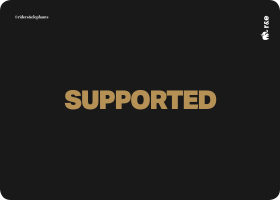


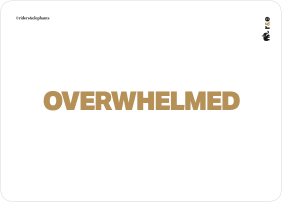
Colour says which kind of feeling, never a verdict. A feeling rises, falls or holds. The page never says whether that is good or bad. That is for the team to talk about.
No name, no email, no sign-in for the room. A random token on each phone, new every week, only stops a refresh counting twice.
The Weekly Retro is the rhythm between the workshops. A workshop opens the door. The weekly rhythm holds it open.
One workshop to design how a new team wants to feel, and how it wants its stakeholders to feel. Then six Weekly Retros and a closing review.
See the programme →For any team moving through a period of change. A kick-off workshop, the Weekly Retro, two go-deeper reviews and a close.
See the programme →About fifteen minutes, inside a meeting the team already has. The check-in itself takes a couple of minutes on a phone. The rest is the conversation.
The ones your team chose at its workshop, usually three you want and three you don’t. If a vote tied, the team rates every feeling that made the final map.
No. The leader sees the team’s ratings together and counts of people, never a person. Notes are shown in an order that can’t reveal who wrote them.
The leader’s page says so plainly: this is one person’s week. The organisation’s view never shows a team’s week until at least two people have checked in, so one person’s answers can never be worked out.
No. The Weekly Retro Conversation Guide works with a pack of cards and a whiteboard. The digital version makes the weeks visible and comparable, without anyone keeping a spreadsheet.
Talk to us, or to an ECD Certified Partner, about running a programme with the Weekly Retro at its heart.
Find a Partner → The Weekly Retro guide ↗